
Introduction
In today’s fast-paced world, having a reliable source of electricity is more important than ever. Whether you’re planning an outdoor camping trip, preparing for unexpected power outages, or looking for a clean energy solution, a portable power station has become an essential device for modern lifestyles. Unlike traditional fuel-powered generators, portable power stations provide a quiet, eco-friendly, and convenient way to keep your electronic devices running whenever and wherever you need them.
A portable power station is a rechargeable battery-powered device designed to store electricity and supply power to various electronic appliances. It can charge smartphones, laptops, cameras, tablets, mini refrigerators, fans, LED lights, and even certain home appliances depending on its capacity. Many models also support solar charging, making them an excellent choice for people who prefer renewable energy and sustainable living.
One of the biggest advantages of a power station is its versatility. Outdoor enthusiasts use it during camping, hiking, RV trips, and road adventures to keep their devices charged without relying on noisy generators. Homeowners use it as an emergency backup during power failures, while professionals depend on it for outdoor work, photography, and remote office setups.
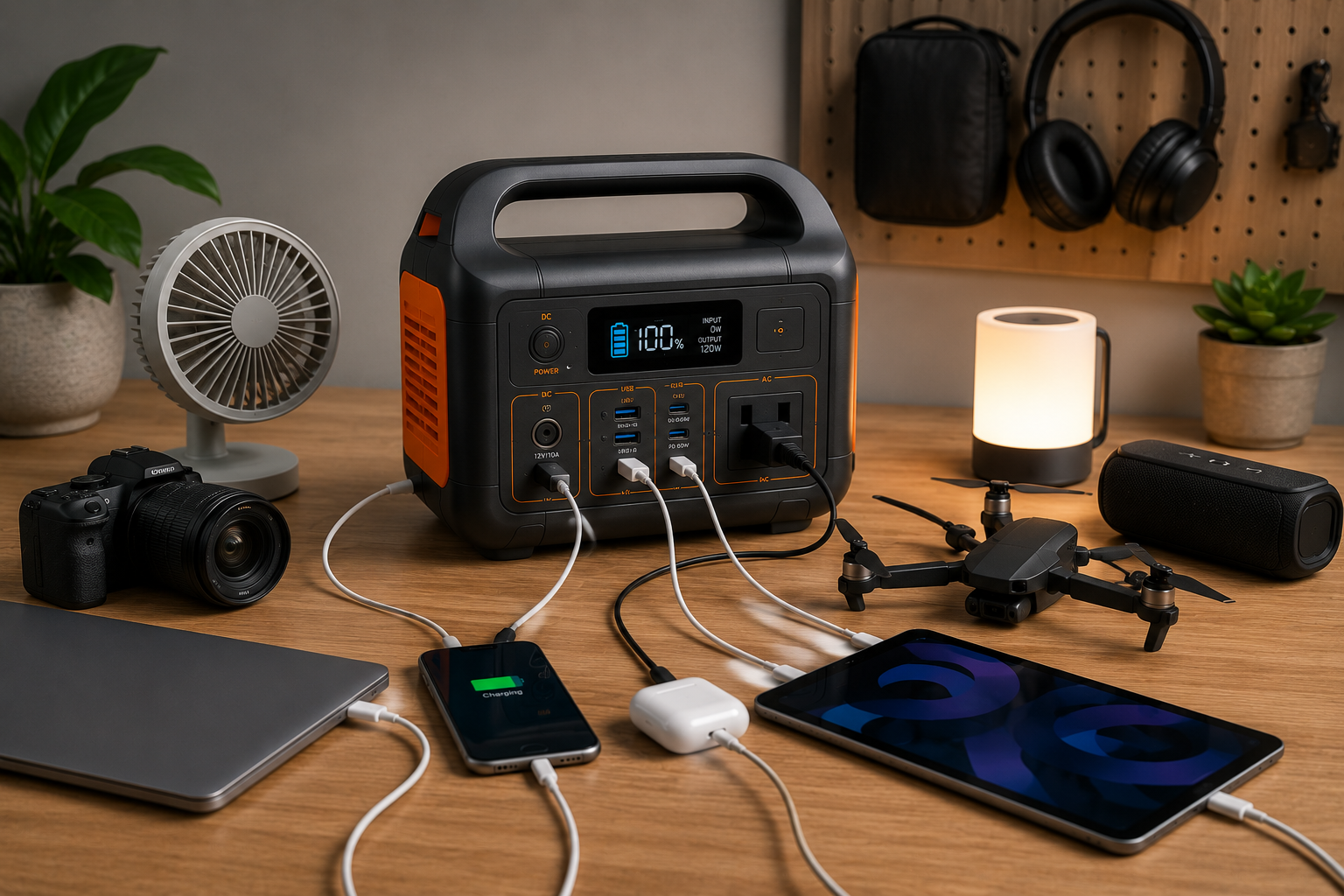
Modern portable power stations come equipped with multiple output options such as AC outlets, USB-A ports, USB-C ports, DC ports, and wireless charging pads. These features allow users to charge multiple devices simultaneously without needing separate chargers. Advanced battery technologies like Lithium-ion and LiFePO4 batteries also provide longer life cycles, faster charging speeds, and enhanced safety.
Choosing the right portable power station depends on several factors, including battery capacity, output power, charging methods, portability, and the types of devices you intend to use. Small-capacity models are ideal for charging phones and laptops, while larger models can power refrigerators, TVs, medical equipment, and essential household appliances during emergencies.
As technology continues to improve, portable power stations are becoming more efficient, lightweight, and affordable. Their combination of convenience, reliability, and environmentally friendly operation has made them one of the most popular backup power solutions for both personal and professional use.
In this guide, you’ll learn everything you need to know about portable power stations, including their features, benefits, applications, types, and expert buying tips to help you choose the best model for your needs.
Portable power station for camping, home backup, travel, and emergency power needs.
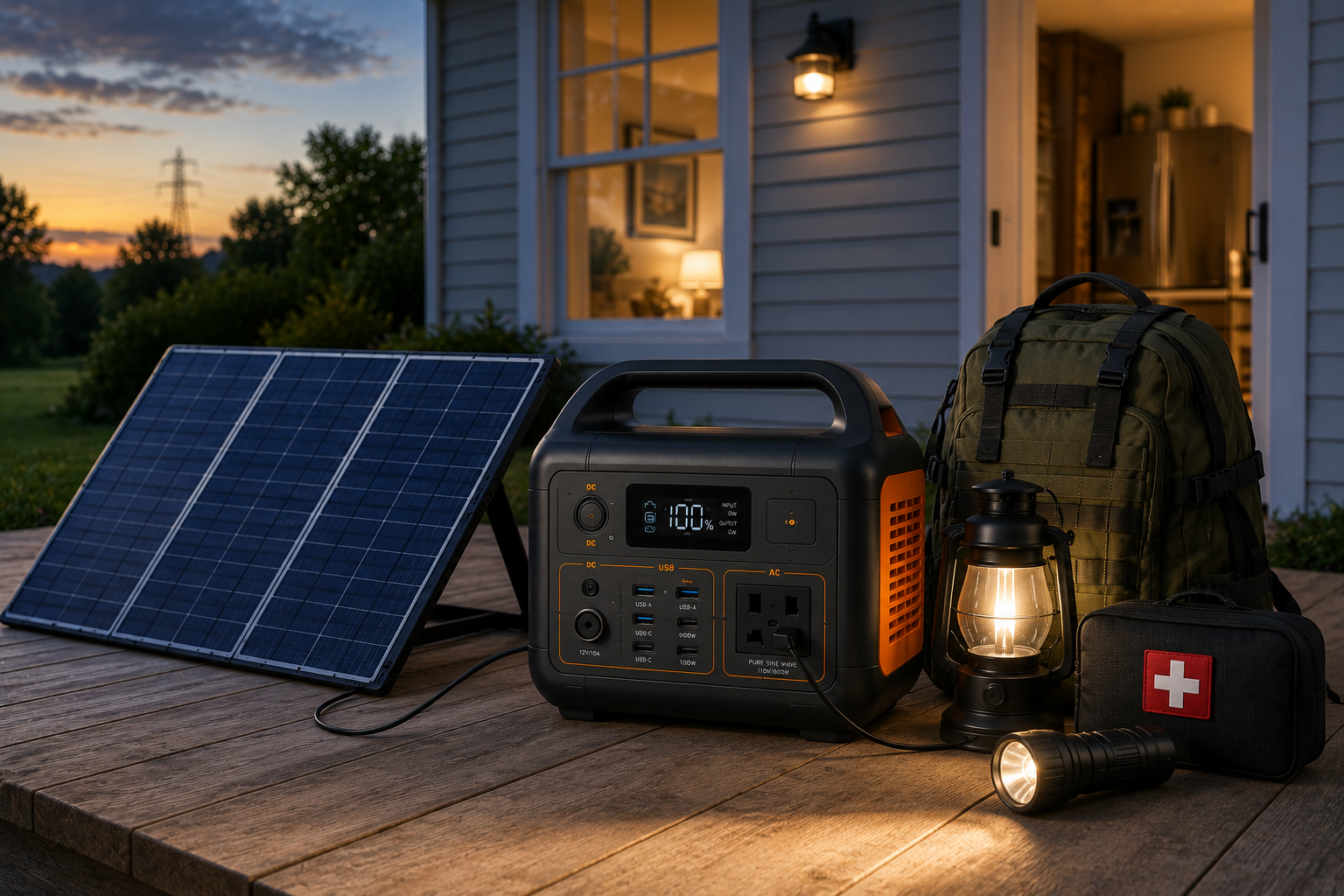
Types, Features, Benefits, and Uses of Portable Power Stations
Types of Portable Power Stations
Portable power stations are available in different sizes and capacities to meet various power requirements.
1. Small Portable Power Stations
These compact models are perfect for charging smartphones, tablets, cameras, Bluetooth speakers, and laptops. They are lightweight, easy to carry, and ideal for short trips or daily use.
2. Medium Portable Power Stations
Medium-capacity power stations can run laptops, mini coolers, LED lights, CPAP machines, and small kitchen appliances. They are suitable for camping, RV travel, and short power outages at home.
3. Large Portable Power Stations
Large power stations offer high battery capacity and powerful AC outputs. They can operate refrigerators, televisions, power tools, electric fans, and other essential home appliances during extended power failures.
Key Features of a Portable Power Station
Before purchasing a portable power station, it’s important to understand the features that determine its performance and reliability.
High Battery Capacity
Battery capacity is measured in watt-hours (Wh). A higher capacity allows the power station to run devices for longer periods without recharging.
Multiple Charging Ports
Most modern portable power stations include:
- AC Power Outlets
- USB-A Ports
- USB-C Fast Charging
- DC Outputs
- Car Charging Port
- Wireless Charging Pad (available in selected models)
These ports allow users to charge multiple devices simultaneously.
Fast Charging Technology
Many premium portable power stations support fast charging through wall outlets, car chargers, and solar panels, reducing charging time significantly.
Solar Charging Support
One of the biggest advantages is compatibility with solar panels. This allows users to recharge the battery using clean, renewable energy, making it ideal for outdoor adventures and emergency situations.
Portable Design
Despite their large battery capacity, most portable power stations feature sturdy handles, compact designs, and lightweight construction for easy transportation.
Benefits of Using a Portable Power Station
Reliable Emergency Backup
A portable power station provides instant electricity during unexpected power outages, helping keep essential devices running without interruption.
Eco-Friendly Power Solution
Unlike traditional fuel generators, power stations produce no harmful emissions and operate quietly, making them environmentally friendly.
Safe Indoor Operation
Since there is no fuel combustion or carbon monoxide emission, portable power stations can safely be used indoors.
Low Maintenance
Portable power stations require minimal maintenance compared to gasoline or diesel generators. There is no need to change engine oil or store fuel.
Quiet Performance
Their silent operation makes them ideal for bedrooms, offices, campsites, libraries, and other quiet environments.
Common Uses of Portable Power Stations
This power solution is useful in many everyday situations.
- Camping and Hiking
- Road Trips and RV Travel
- Emergency Home Backup
- Outdoor Photography
- Remote Work Stations
- Construction Sites
- Medical Equipment Backup
- Small Business Operations
- Outdoor Events
- Travel and Adventure Activities
Whether you’re working remotely, enjoying nature, or preparing for emergencies, a portable power station offers dependable power whenever and wherever you need it.
How to Choose the Best Portable Power Station
Selecting the right portable power station depends on your power needs, budget, and intended use. Here are the most important factors to consider before making a purchase.
1. Check Battery Capacity
Battery capacity is measured in watt-hours (Wh). A higher capacity means the power station can run your devices for a longer time. If you only need to charge phones and laptops, a smaller model is sufficient. For home backup or camping, choose a larger capacity.
2. Look at Output Power
Every portable power station has a maximum output measured in watts (W). Make sure the output is enough to support the devices you plan to use, such as refrigerators, televisions, fans, or power tools.
3. Choose the Right Battery Type
Most modern portable power stations use Lithium-ion or LiFePO4 (Lithium Iron Phosphate) batteries. LiFePO4 batteries generally last longer, offer better safety, and provide more charging cycles.
4. Charging Options
A good portable power station should support multiple charging methods, including:
- AC Wall Charging
- Solar Panel Charging
- Car Charging
- USB-C Fast Charging (on supported models)
Having multiple charging options ensures flexibility during travel or emergencies.
5. Portability and Build Quality
If you travel frequently, choose a lightweight model with a strong handle and durable construction. A compact design makes transportation much easier.
Maintenance Tips for Portable Power Stations
Proper maintenance helps extend the life and performance of your portable power station.
- Store it in a cool and dry place.
- Recharge the battery every few months if not in regular use.
- Keep the charging ports clean and free from dust.
- Avoid exposing the device to water or extreme temperatures.
- Use only compatible chargers and accessories recommended by the manufacturer.
- Follow the user manual for safe charging and storage practices.
With proper care, a quality portable power station can provide reliable performance for many years.
Conclusion
A portable power station is a smart, reliable, and eco-friendly solution for anyone who needs electricity on the go or during emergencies. Whether you’re camping in the outdoors, working remotely, traveling in an RV, or preparing for unexpected power outages, it offers a quiet and convenient alternative to traditional generators.
When choosing the best portable power station, consider battery capacity, output power, charging options, portability, and battery type. Investing in the right model ensures you have dependable backup power whenever and wherever you need it. As technology continues to evolve, portable power stations are becoming an essential part of modern homes, travel, and outdoor lifestyles.
Frequently Asked Questions (FAQs)
1. What is a portable power station?
A portable power station is a rechargeable battery-powered device that supplies electricity to electronic devices and small appliances.
2. Can a portable power station run a refrigerator?
Yes, larger-capacity portable power stations with sufficient wattage can power a refrigerator for several hours, depending on the appliance and battery size.
3. Is a portable power station better than a generator?
For indoor use, low noise, and zero emissions, a portable power station is often a better choice. Fuel generators are generally better for very high-power requirements.
4. Can I charge a portable power station with solar panels?
Yes. Many modern portable power stations support solar charging, making them an excellent option for outdoor use and renewable energy.
5. How long does a portable power station last?
Depending on the battery type and usage, a quality portable power station can last for several years and thousands of charging cycles.